
DL9 Assessment Versus Vision Test: What Changes?
DL9 assessment versus vision test: learn what each New Zealand driver-licensing check covers, when you need a doctor, and what to bring to your visit.
A DL9 assessment versus vision test can sound like two names for the same appointment. They are not. Both relate to safe driving in New Zealand, but they answer different questions: whether you can meet the required eyesight standard and whether your overall health affects your ability to drive safely.
Knowing which one you need before you book can prevent an unnecessary delay at a driver licensing agent, especially if your license renewal, endorsement, or work requirement has a deadline.
DL9 Assessment Versus Vision Test: The Main Difference
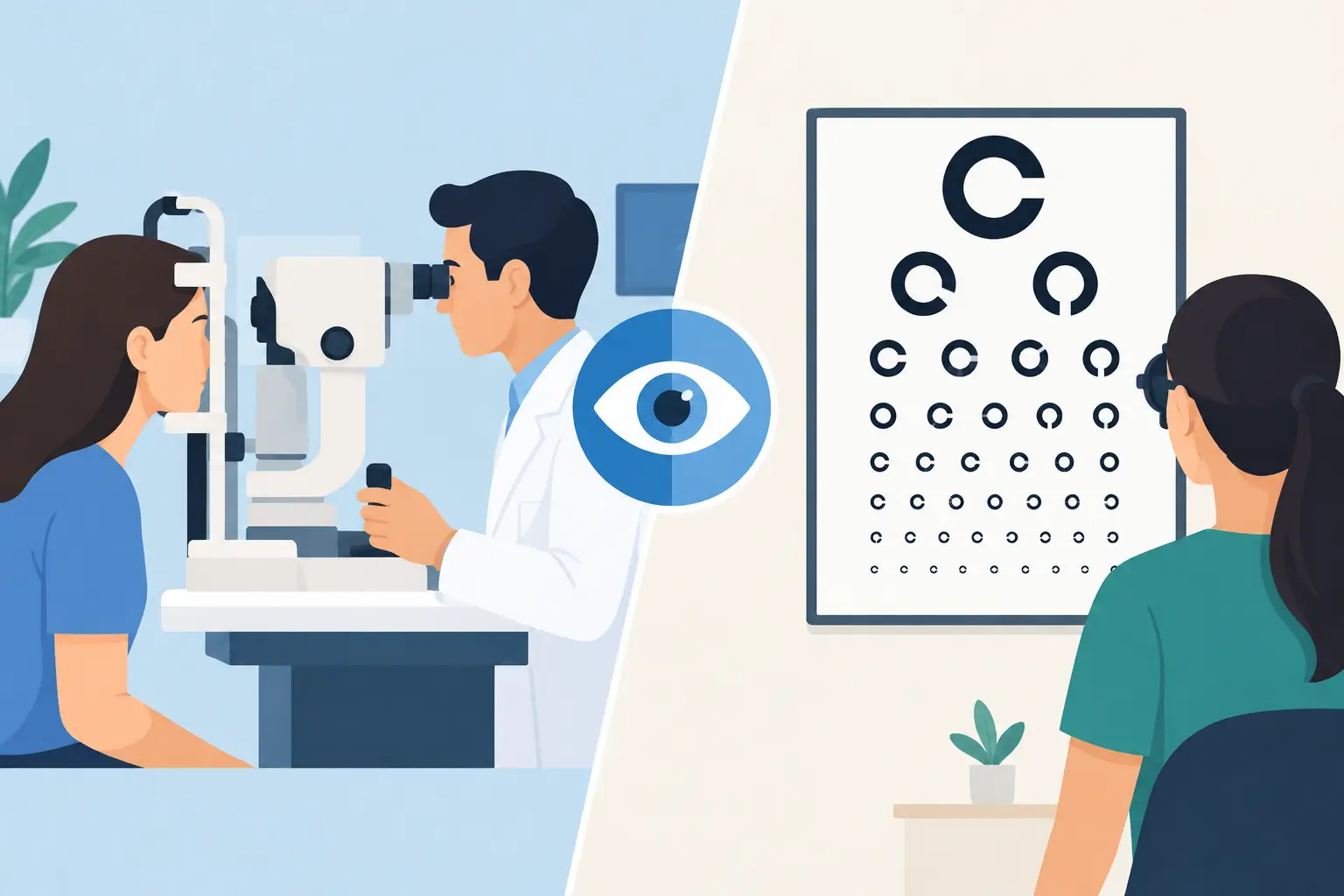
A vision test is focused on eyesight. It checks whether you can see well enough to meet the visual standard for driving. Depending on your circumstances, this may be completed at a driver licensing agent, by an optometrist, or as part of a medical assessment. If you use glasses or contact lenses for driving, take them with you. Your license may carry a condition requiring you to wear them whenever you drive.
A DL9 assessment is a doctor-led medical assessment for driver licensing. The clinician considers more than what you can read on an eye chart. They review medical conditions, medicines, previous treatment, functional ability, and any health issue that may affect alertness, judgment, movement, vision, or the risk of suddenly becoming unwell while driving.
The assessment is documented on the required medical certificate or form requested for your licensing situation. A clinician may be able to certify that you are medically fit to drive, recommend conditions or a shorter review period, request further information, or determine that driving should be paused while a concern is investigated. The outcome depends on your individual clinical circumstances and the applicable licensing requirements.
When a Vision Test May Be All You Need
For many routine licensing transactions, the key requirement is an eyesight screening. This is generally more straightforward than a medical assessment. It is designed to confirm that your vision meets the required standard, with correction if needed.
You may only need a vision test if there is no medical concern requiring review and the licensing agent has not asked for a medical certificate. This can apply to a standard renewal or transaction where the only question is whether your eyesight meets the requirement.
However, a passed vision screening does not replace a requested DL9 medical certificate. Good eyesight is one part of safe driving, not a full assessment of health. For example, a person may see clearly but still need medical review because of fainting episodes, a neurological condition, medication side effects, or a condition affecting concentration or reaction time.
When You May Need a DL9 Medical Assessment
You may be asked to provide a medical certificate because of your age, a health declaration, a previous licensing condition, a commercial or higher-risk driving role, or information held by the licensing authority. Sometimes your own doctor may advise a review after a change in health.
Common reasons for a driver-licensing medical assessment include conditions that affect consciousness, heart rhythm, blood sugar control, sleep, mobility, memory, mental health, or vision. This does not mean a diagnosis automatically stops you from driving. Many people continue to drive safely with a condition that is stable, well managed, and appropriately reviewed.
What matters is the practical impact on driving and the likelihood of a sudden or gradual impairment. The clinician may need details from a specialist, recent test results, or confirmation that treatment is working before completing the certificate. That is why it is best not to leave a DL9 appointment until the final day before a deadline.
A medical certificate is not a driving test
A DL9 assessment does not assess parallel parking, road rules, or vehicle handling. It is a medical opinion about fitness to drive. The clinician uses your medical history and relevant examination findings to provide documentation for the licensing process.
Likewise, the clinician does not make licensing decisions on behalf of the licensing authority. They provide the medical information required for that authority to consider your license status and any conditions that may apply.
What Happens During the Appointment
A well-prepared appointment is usually more efficient. The clinician will ask about your driving, including the type of vehicles you drive, how often you drive, and whether you drive professionally. A delivery driver, taxi driver, or person operating heavy vehicles may have different licensing obligations from someone driving only a private car.
Your consultation may include a review of your medical history, current medications, past hospital admissions, specialist care, and any recent symptoms that could affect driving. Depending on the reason for the assessment, the clinician may check blood pressure, mobility, cognition, or other relevant clinical measures. An eyesight check may also be included when appropriate, but it should not be assumed that this replaces every separate vision requirement.
Be open and accurate about your health. A medical assessment is not designed to catch people out. It is intended to protect you, your passengers, and other road users while ensuring that any restrictions are based on the right information.
What to Bring to a DL9 Appointment
Bring your driver license or another form of photo identification, along with any letter, form, or instruction you received about the medical assessment. If you wear prescription glasses or contact lenses for driving, bring them. Also bring an up-to-date medication list.
If you have seen a specialist recently, relevant reports can be helpful, particularly if the assessment relates to a heart condition, diabetes, sleep apnea, seizures, vision changes, mental health treatment, or a neurological condition. You do not need to gather every medical record you have ever received. The most useful documents are recent information that explains your diagnosis, treatment, stability, and specialist advice about driving.
If English is not your first language, it can help to book with a clinic that can communicate clearly and respectfully. Doctors 109 offers a calm, centrally located Auckland CBD setting and multilingual support for patients navigating formal medical documentation.
Avoid These Common Delays
The most frequent delay is booking a vision-only service when a medical certificate has been requested. Check the letter or instruction from the licensing authority carefully. If it refers to a medical assessment, medical certificate, DL9, or DL12 documentation, book a driver-license medical appointment rather than relying on a basic eyesight screen.
Another issue is arriving without corrective lenses. If you normally drive with glasses or contacts, the assessment needs to reflect your usual safe-driving vision. Missing medication details or specialist information can also mean the clinician cannot finalize the form at that visit.
Finally, do not assume an old certificate can be reused. Medical documentation may have validity periods, and licensing requirements can depend on the reason it was requested. If you are unsure, ask the licensing authority what form is required and whether they need an original, a particular completion date, or additional evidence.
Choosing the Right Appointment
Choose a vision test when you have been asked only to meet an eyesight requirement. Choose a DL9 medical assessment when a doctor’s certificate has been requested or when a health condition may need review for driver licensing.
If the wording on your paperwork is unclear, bring it to your appointment or contact the licensing authority before booking. A few minutes of checking can save you from making two trips. More importantly, the right assessment gives you clear documentation and practical advice for continuing to drive safely.
