
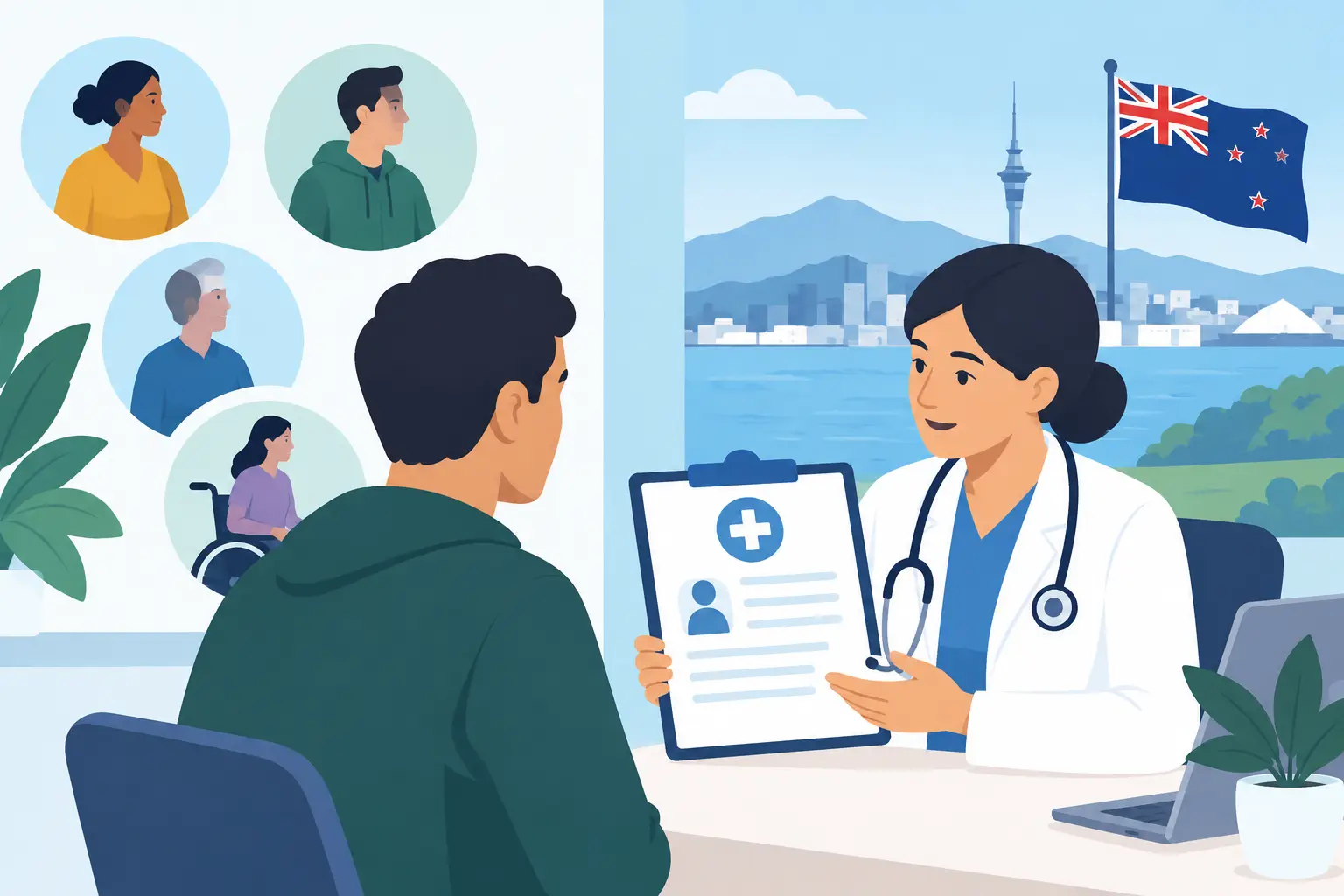
Who Needs a WINZ Medical Certificate in NZ?
Learn who needs a WINZ medical certificate, what WINZ may ask your doctor to confirm, and how to prepare for a clear, timely assessment in Auckland, NZ.
A WINZ appointment can feel urgent when your income support, work expectations, or benefit review depends on medical information. If you are asking who needs a WINZ medical certificate, the short answer is: people whose health condition, injury, disability, or treatment affects what they can reasonably do and WINZ has asked for clinical evidence.
The certificate is not simply a note saying that you are unwell. It is formal medical documentation that helps Work and Income New Zealand, commonly called WINZ, understand how your health affects your daily functioning and ability to work or meet benefit obligations. A clinician’s role is to provide an accurate medical assessment. WINZ makes decisions about benefits, work preparation, and support based on its process and the information provided.
Who needs a WINZ medical certificate?
You may need a WINZ medical certificate when WINZ asks you to have your medical condition assessed or updated. This commonly happens when you are applying for, receiving, or reviewing financial assistance and your health affects your ability to work, seek work, attend appointments, or take part in work-related activities.
For example, a person recovering from an injury may need their doctor to explain temporary restrictions, such as limits on lifting, standing, driving, or using a computer. Someone managing anxiety, depression, chronic pain, a serious illness, or a disability may need medical evidence showing how symptoms affect concentration, mobility, stamina, communication, or attendance.
A certificate can also be relevant when a condition has changed. Perhaps you were previously able to work part-time but your symptoms have worsened. Or perhaps treatment has improved your capacity and WINZ needs an updated view. In either situation, current and specific information is more useful than an old certificate that no longer reflects your health.
WINZ may request a medical certificate for people receiving Jobseeker Support, Supported Living Payment, disability-related assistance, or other support where medical eligibility or work capacity is being considered. The exact form and requirements can vary, so bring any letter, form, or instruction from WINZ to your appointment.
When you may not need one
Not every illness requires a WINZ medical certificate. A brief cold, a short period of rest, or a minor issue that does not affect your ongoing obligations may not require formal documentation. WINZ will usually tell you if it needs a certificate, a medical report, or another type of evidence.
It is also worth separating WINZ documentation from other medical paperwork. An ACC injury claim, an employer’s sick-leave certificate, an Immigration New Zealand medical examination, and a driver-license medical assessment each serve different purposes. They may involve similar health information, but they are not interchangeable.
If your concern is an injury caused by an accident, ACC may be part of the process. If it is a long-term health condition affecting your finances or work obligations, WINZ may need information about your functional capacity. Your clinician can help identify what medical documentation is appropriate, but the agency requesting the information determines what it requires.
What a WINZ medical assessment covers
A useful WINZ medical certificate focuses on function, not just diagnosis. A diagnosis matters, but it does not always explain what a person can or cannot manage day to day.
During the consultation, the clinician may ask about your symptoms, treatment, medications, specialist care, recent tests, and how long the condition has been affecting you. They may also ask practical questions: Can you stand for long periods? Can you travel independently? Does pain interrupt sleep? Are panic attacks affecting your ability to be in public? Can you reliably attend scheduled activities? Are there tasks you can do safely with adjustments?
This is not about proving that you are “sick enough.” It is about giving a clear, honest clinical picture. Some people can work with modified duties, shorter hours, flexible scheduling, or restrictions. Others may be temporarily unable to meet work expectations while they recover or receive treatment. The certificate should reflect your individual circumstances rather than a broad label.
A clinician may also record whether your condition is short-term, ongoing, or likely to be reviewed after a certain period. Medical conditions can change, and WINZ may ask for updated information later. A review date does not mean your condition is being questioned. It helps ensure the record stays current.
Be open about what is difficult and what is manageable
Patients sometimes minimize symptoms because they do not want to complain, while others understandably focus on their hardest days. For an accurate assessment, explain both. Describe what happens on a typical day, how often difficult symptoms occur, and what tasks become unsafe or unrealistic when symptoms flare.
Specific examples are helpful. Rather than saying “my back is bad,” explain that you can sit for 20 minutes before pain increases, cannot safely lift heavy items, or need regular breaks. Rather than saying “I feel stressed,” explain whether anxiety affects sleep, memory, travel, social interaction, or your ability to attend appointments consistently.
What to bring to your appointment
Bring the WINZ form or request letter, even if it appears straightforward. The clinician needs to see exactly what information has been requested and whether there is a deadline.
It also helps to bring your photo identification, a list of current medications, and details of any recent hospital visits, specialist appointments, scans, blood tests, or treatment plans. If another doctor or specialist is managing the condition, provide their name and clinic details if available.
If English is not your first language, consider arranging support so you can describe your symptoms clearly. Medical documentation must be accurate, and good communication helps the clinician understand your circumstances. Doctors 109 offers a welcoming central Auckland setting with multilingual support for patients navigating formal medical requirements.
Do not wait until the final day if WINZ has given you a deadline. Some certificates can be completed during a standard consultation, while more complex cases may require the clinician to review records, request information, or arrange a follow-up. Allowing time reduces pressure and helps avoid gaps in documentation.
What happens after the certificate is completed
Ask the clinic how you will receive the completed certificate and whether you need to submit it to WINZ yourself. Keep a copy for your own records. If WINZ later asks questions or requests a review, having the original form, consultation date, and supporting documents organized can make the next step easier.
A medical certificate supports your WINZ case, but it does not guarantee a particular benefit decision. WINZ may consider other factors under its own rules, including residency, income, assets, family circumstances, and the type of assistance requested. If you are unsure what WINZ has asked for, contact it directly for administrative guidance while your clinician addresses the medical component.
Getting the right certificate at the right time
The best time to arrange a WINZ medical assessment is when WINZ requests it, when your health has materially changed, or when an existing certificate is nearing its review date. A timely appointment gives your clinician the opportunity to document your situation carefully and gives you time to submit the form before any deadline.
You do not need to arrive with perfect medical language or a complete answer to every question. Bring the form, explain your day-to-day limitations honestly, and share any relevant treatment information. Clear documentation can help turn a stressful administrative requirement into a manageable next step.
